

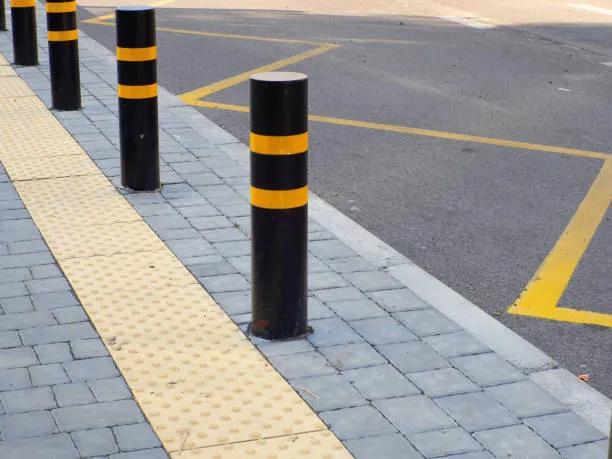
I started noticing something important when talking with facility security directors about their perimeter defense strategies recently. Most of them explained that installing crash rated bollards without considering access control card reader integration meant their facility protection operated as disconnected pieces rather than integrated security systems. What struck me was how many facilities discovered that crash rated bollards working alongside access control card readers transformed what they could accomplish defensively and operationally.
Some facility directors reported that investing in crash rated bollards coordinated with access control card readers had resolved security vulnerabilities they hadn’t fully understood before. Others found that crash rated bollards working with access control card readers meant that vehicle threat prevention and personnel authorization could operate together strategically. A few facility managers mentioned that understanding how these systems functioned together created genuine confidence in their facility protection they hadn’t anticipated.
What I kept hearing was that crash rated bollards represented critical perimeter infrastructure requiring access control card reader coordination to function as part of comprehensive facility defense. Some facilities had installed bollard systems independently and discovered that access control card reader integration meant that vehicle threat prevention could operate seamlessly with intelligent personnel verification.
Understanding Crash Rated Bollards Within Access Control Card Reader Framework
I noticed that facilities sometimes discovered that crash rated bollards provided vehicle threat prevention extending beyond basic barrier installation when coordinated with access control card readers. Some facilities had attempted bollard installation without considering access control card reader coordination and discovered that these systems meant that vehicle control could be managed intelligently through authorized personnel procedures. Others discovered that crash rated bollards working with access control card readers meant that facility access could be controlled comprehensively at critical perimeter locations. When facilities implemented crash rated bollards coordinating with access control card readers, they discovered that security capabilities improved dramatically.
What I kept discovering was that crash rated bollards designed to coordinate with access control card readers meant that facility protection achieved control sophistication that barrier-only approaches couldn’t match. One facility that implemented crash rated bollards discovered that access control card reader integration meant that personnel authorization could be verified before facility entry, ensuring comprehensive security layers. Another facility found that crash rated bollards coordinating with access control card readers meant that facility security decisions could be implemented instantly preventing unauthorized approach attempts. Some facilities reported that crash rated bollards with access control card reader coordination meant that facilities could accommodate various personnel and access scenarios while maintaining consistent security standards throughout perimeter areas.
How Access Control Card Readers Verify Personnel While Bollards Protect Perimeters

I noticed that facilities sometimes discovered that access control card readers provided personnel verification frameworks that crash rated bollards coordinated within effectively and seamlessly managing facility access. Some facilities found that access control card readers meant that authorization decisions could be made intelligently based on comprehensive facility security policies and vehicle threat prevention requirements. Others discovered that access control card readers coordinating with crash rated bollards meant that facility operations could be implemented with sophistication addressing multiple security scenarios simultaneously. When facilities implemented access control card readers with crash rated bollards, they discovered that facility management became truly comprehensive and responsive.
Discover How access control card readers work
What I kept discovering was that access control card readers working with crash rated bollards meant that facility operations could be managed strategically through integrated personnel authorization and vehicle threat prevention. One facility implementing access control card readers discovered that personnel verification could operate while crash rated bollards maintained fixed perimeter protection ensuring layered security. Another facility found that access control card readers coordinating with crash rated bollards meant that emergency procedures could be implemented instantly controlling personnel movement across facility perimeters. Some facilities reported that access control card readers with crash rated bollards meant that comprehensive facility security could be managed without requiring personnel decisions at individual barrier locations.
I heard from facility managers that access control card readers coordinating with crash rated bollards had improved facility security management substantially and enhanced overall protection. One manager told me that implementing access control card readers meant that facility access could be both threat-prevented and personnel-verified simultaneously creating integrated protection.
Integrating Comprehensive Facility Defense Through Bollard And Card Reader Coordination
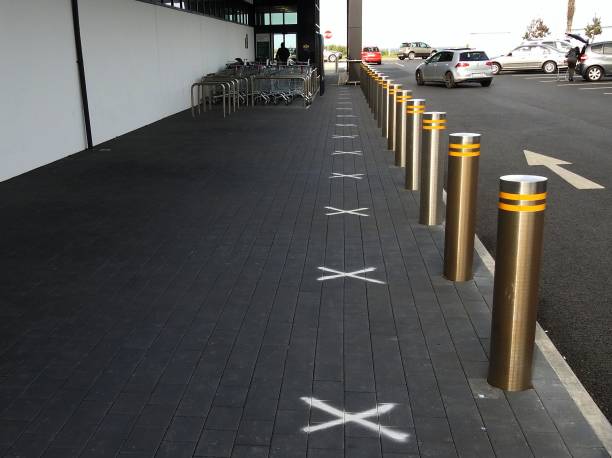
I noticed that facilities sometimes discovered that comprehensive security required crash rated bollards coordinating with access control card readers rather than relying on partial protection components. Some operations had attempted single-system approaches and discovered that crash rated bollards with access control card reader coordination provided security benefits far exceeding fragmented or incomplete protection strategies. Others found that crash rated bollards with access control card readers meant that facility protection could be comprehensive while authorized personnel maintained convenient entry and efficient operations. When facilities committed to integrated crash rated bollards with access control card readers, they discovered that facility operations became dramatically more secure and manageable.
What I kept discovering was that crash rated bollards designed to coordinate with access control card readers meant that all facility protection components worked together supporting comprehensive facility defense. One facility that implemented integrated crash rated bollards with access control card readers discovered that security capabilities exceeded expectations because systems worked synergistically rather than independently. Another facility found that crash rated bollards coordinating with access control card readers meant that comprehensive facility protection became possible addressing all vehicle threat scenarios and personnel authorization consistently. Some facilities discovered that integrated crash rated bollards with access control card reader implementation meant that facility security achieved sophistication and reliability that partial systems couldn’t match.
Conclusion
Facilities that prioritize comprehensive security consistently invest in crash rated bollards coordinating with access control card readers. These systems transform vehicle threat prevention into intelligent protected processes enabling sophisticated security and responsive facility defense. When considering facility perimeter security, crash rated bollards ensure that vehicle threat prevention becomes integrated with personnel authorization rather than existing separately.
Access control card readers coordinating with crash rated bollards provide authorization frameworks enabling intelligent personnel access and comprehensive facility defense. R3 Access Inc provides crash rated bollards and access control card reader infrastructure designed comprehensively for modern facility security and intelligent access management. Their integrated systems coordinate reliable bollard protection with sophisticated personnel verification effectively addressing all aspects of facility defense.
When you work with R3 Access Inc, you get crash rated bollards and access control card readers designed by professionals understanding facility protection requirements thoroughly. That investment in crash rated bollards with access control card reader coordination becomes the foundation for comprehensive facility protection with sophisticated personnel authorization and reliable threat prevention.
FAQ
Q1. Why should facilities choose crash rated bollards coordinated with access control card readers rather than bollards without personnel verification?
Crash rated bollards with access control card reader coordination provide comprehensive facility protection addressing both vehicle threat prevention and authorized personnel verification, ensuring complete security.
Q2. What capabilities do access control card readers provide when working with crash rated bollards?
Access control card readers enable intelligent personnel authorization, comprehensive cardholder verification, centralized access management, responsive entry decisions, and facility-wide access control tracking from central locations.
Q3. How do crash rated bollards enhance facility protection when used with access control card readers?
Crash rated bollards provide fixed vehicle threat prevention while access control card readers verify authorized personnel, creating layered protection with intelligent operation and convenient verified access.
Q4. Can crash rated bollards and access control card readers coordinate seamlessly without creating operational conflicts?
Yes, crash rated bollards provide fixed threat prevention while access control card readers manage personnel authorization, creating integrated protection without operational complications or security gaps.
Q5. What security benefits result from integrating crash rated bollards with access control card reader coordination?
Integration provides intelligent personnel authorization, comprehensive facility access management, consistent security standards across all entry and perimeter areas, layered threat prevention, and scalable protection supporting facility growth.