

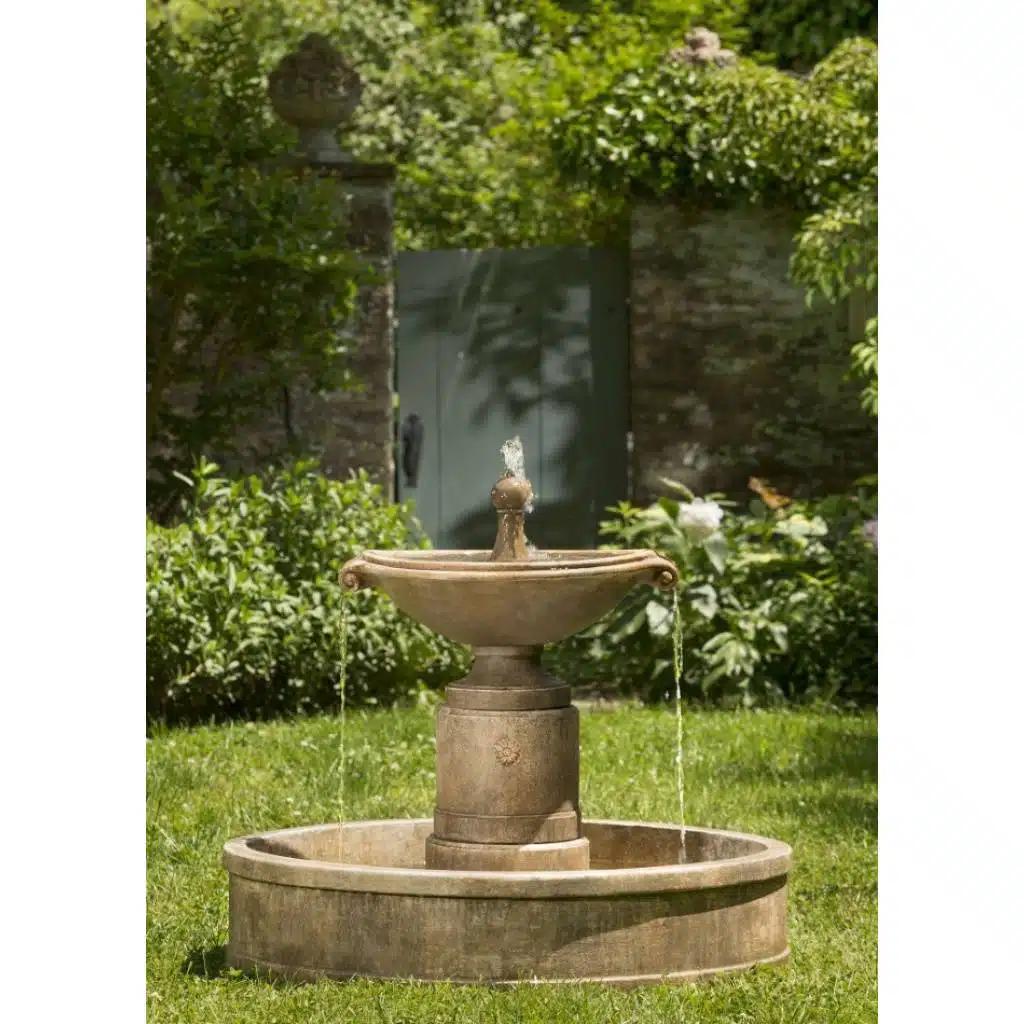
I didn't think much about outdoor fountains until my neighbor put one in. Nothing fancy, just a three-tier stone thing sitting near her patio. But every time I sat outside after that, I noticed how quiet my own yard felt. Not peaceful-quiet. Just... flat. No sound, no movement, nothing to look at besides grass and a fence. That's when I started digging into garden fountains myself, and honestly, I went down a bit of a rabbit hole.
What Even Counts As An Outdoor Fountain
People throw the term around loosely. Some mean a giant tiered stone structure you'd see outside a hotel. Others mean a little tabletop thing with a solar pump. Both count, technically. An outdoor fountain is really just any water feature designed to sit outside your home and recirculate water, usually with some kind of pump doing the heavy lifting.
Garden fountains specifically tend to be smaller and more decorative, meant to blend into flower beds, patios, or walkways rather than dominate the whole yard. There's overlap between the two terms and nobody's really policing the difference. If it holds water and makes a sound, most people will call it a fountain and move on with their day.
Why People Actually Buy These Things
I'll be blunt. Nobody needs a fountain. You can live your whole life without one and be fine. But there's a reason they've stuck around since ancient Rome, and it's not just decoration.
The sound is the big one. Running water masks noise. Traffic, barking dogs, your neighbor's lawnmower at 7am on a Saturday. A decent-sized outdoor fountain can drown a lot of that out, or at least distract your brain from it. There's actual research on this too, white noise from moving water can lower stress responses. I'm not going to pretend I read the whole study, but the gist checks out with common sense.
Then there's the visual thing. Water moving catches light in a way nothing else in your yard does. Even a cheap garden fountain from a big box store adds motion to a space that's otherwise just... sitting there. Plants sway a little in wind, sure, but water sparkles, ripples, catches the sunset. It changes constantly, which keeps your eye interested.
And don't underestimate the birds and pollinators angle. A shallow fountain basin becomes a watering hole. I've had more birds in my yard since installing mine than in the five years before it. Bees too, oddly enough, they seem to like the edges where water pools shallow.
Picking The Right One Without Overthinking It
This is where people get stuck, I think. There's too many options and it becomes paralysis by choice. Let me simplify.
First, figure out your space. Small patio or balcony? You want a compact tabletop or wall-mounted fountain, not some three-foot tiered monster that'll eat half your square footage. Bigger yard with room to spare? Go bigger, a tiered or pondless fountain can actually become a focal point instead of an afterthought.
Second, think about material. Resin and fiberglass fountains are lighter and cheaper, easier to move if you change your mind. Stone and cast concrete cost more and weigh a ton, but they last decades and age well, sometimes getting better looking with moss and weathering. Copper and metal fountains are pricier still but give you that patina look over time, which some people love and some think looks rusty and neglected. Personal taste, really.
Third, and people forget this one, check the pump noise. Not all pumps sound the same. Some are basically silent trickles, others gurgle loud enough you'll hear it through a closed window. If you're sensitive to sound (or your neighbors are), read reviews specifically mentioning pump noise before buying.
Maintenance Nobody Warns You About
Here's the part that gets glossed over in most articles about outdoor fountains, and I get it, it's not exciting content. But you need to know it.
Algae happens. Standing water plus sunlight equals green gunk eventually, no matter how nice your fountain looks in the catalog photo. You'll need to clean the basin every few weeks in warm months, more if it's in direct sun all day. A soft brush and mild soap usually does it, nothing complicated.
Winter is the other thing people mess up. If you live somewhere that freezes, water left in the basin can crack stone, concrete, even some resin materials. Drain it before the first hard freeze or invest in a fountain specifically rated for cold climates. I learned this one the hard way, cracked my first fountain's basin in year one because I got lazy about draining it in November.
Pumps need occasional cleaning too, debris and mineral buildup slow them down over time. Most are simple enough to pull out, rinse, and pop back in. Takes maybe ten minutes.
Garden Fountains As Part Of A Bigger Design
If you're already doing garden work, planting beds, adding a walkway, whatever, a fountain doesn't have to stand alone. Tuck a smaller garden fountain near a seating area so you actually hear it while you're relaxing. Put it near an entrance if you want guests to notice it right away, sound draws attention before sight does, oddly enough.
Some people go the route of surrounding the fountain base with low plants or gravel to hide the mechanical bits, pump cords, tubing, all that unglamorous stuff nobody wants to see. Looks cleaner, feels more finished. It's a small touch but it makes a real difference in how "intentional" the whole setup looks versus just plopped down.
Final Thought
I wasn't a fountain person before this. Now I kind of am, which surprises me as much as anyone. It's a small addition that changes how a space feels more than most people expect going in. Doesn't have to be expensive or complicated. Just pick something that fits your space, keep up with basic cleaning, and you'll probably wonder why you waited so long, same as I did.
If you're ready to actually browse instead of just reading about it, check out the full range at fountains.com. Worth a look before you commit to anything.
FAQs
1. How much does an outdoor fountain typically cost? Depends heavily on size and material. Small tabletop or solar garden fountains can run under $100. Mid-size tiered stone or resin fountains usually land somewhere between $200 and $800. Large custom or natural stone installations can climb into the thousands, especially if you're paying for professional installation on top of the unit itself.
2. Do garden fountains attract mosquitoes? Only if the water sits still, which a running fountain generally prevents. Moving water disrupts mosquito breeding since they need calm, stagnant conditions to lay eggs. Just make sure the pump is actually running regularly, a fountain that's turned off for weeks can become exactly the stagnant water mosquitoes like.
3. Can I run a fountain year-round, even in winter? It depends on your climate and the fountain's material. Some fountains are freeze-resistant and can run continuously, keeping water moving prevents ice buildup in mild cold. But in areas with hard freezes, most people drain and store the fountain, or at least the pump, until spring to avoid cracking.
4. How loud is a fountain going to be? It varies a lot by pump strength and the height water falls from. Small tabletop fountains are usually just a soft trickle, barely audible. Larger tiered fountains with more water flow can be noticeably louder, sometimes enough to hear from inside the house with windows open. If noise level matters to you, look for adjustable flow settings so you can dial it down.