

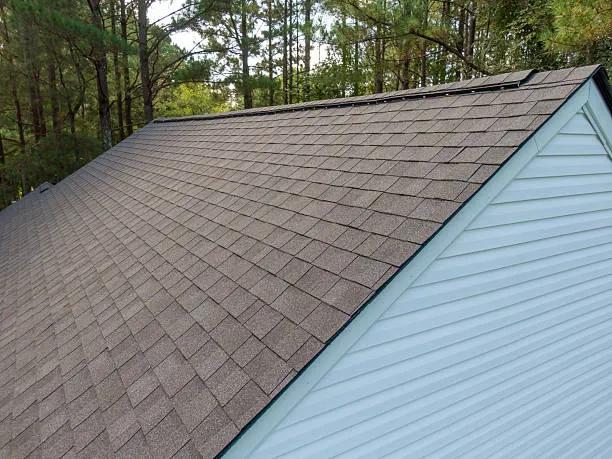
Alright, let's just get into it. Every homeowner asks this at some point, usually while standing in their driveway squinting up at their roof like that's gonna tell them anything. It won't. You need to actually get up there, or have somebody who knows what they're looking at get up there, because shingles lie. They look fine from the ground and then you climb a ladder and realize half of them are curled up like potato chips. A roof replacement isn't something you decide on a whim, but it also isn't something you should be putting off for three more winters just because the roof "still looks okay." Age matters. Damage matters. And honestly, sometimes gut feeling matters too, if you've lived in that house long enough to know something's off.
The Age Thing Nobody Wants To Hear
Most asphalt shingle roofs are built to last somewhere between 20 and 25 years, give or take, depending on the material and how brutal the weather's been. If your roof is pushing past that mark, even if it "looks fine," you're on borrowed time. I've seen roofs that were 22 years old and still holding up decent, and I've seen ones that were 15 years old and falling apart because of a bad install or one too many hailstorms. Champaign County winters aren't gentle either — ice, wind, the whole deal — so age plus weather exposure adds up faster than folks think. If you don't know how old your roof is, check your home inspection paperwork from when you bought the place, or just ask around the neighborhood since a lot of houses in the same subdivision get roofed around the same era.
Signs That Say "Replace It" Not "Patch It"
There's a difference between a problem you can fix with a quick roof repair and a problem that's telling you the whole system is done. Missing shingles here and there, a little flashing issue around the chimney, one spot that's leaking after a heavy storm — that's repair territory, no need to panic. But when you're seeing widespread granule loss (that gritty stuff collecting in your gutters), multiple soft spots on the decking, daylight coming through the attic boards, or shingles that are cracking and curling across the whole roof and not just one section, that's your roof telling you it's done fighting. Trying to patch a roof that's structurally tired is kind of like putting a new tire on a car with a blown transmission. Sure it helps, but it's not solving the actual problem.

Water Stains Are Never "Nothing"
I get calls all the time where someone says, "oh it's just a small stain on the ceiling, probably nothing." It's never nothing. A water stain means moisture got through your roofing system and found its way into your home, which means somewhere up there the barrier failed. Sometimes that's a small, fixable issue. Sometimes it's a sign of long-term damage that's been quietly rotting the decking for months. Either way, don't wait around watching it to see if it "gets worse." By the time it's obviously worse, you're usually looking at more expensive repairs, or a full roof replacement instead of what could've been a simple fix caught early.
What A Roof Replacement Actually Involves
People hear "roof replacement" and their brain jumps straight to dollar signs and panic, which, fair, it's not cheap. But knowing what exactly takes place makes all the difference in the world. A properly done replacement consists of removing all the old roofing down to the decking, checking the decking for rot or softness and replacing it if it is not in good condition, replacing the underlay which is the moisture barrier that most people do not even know they have, then putting on the new roofing or shingles with new flashing around vents, chimneys, and valleys. Not doing this causes your roof to end up needing replacement after only 8 years instead of the 25 or more that it should last. A poorly done job ends up costing more in the long run. That's just the way it is.
Local Weather Does A Number On Roofs Around Here
If you live in this area, you already know Champaign County doesn't mess around. We get the full spread — heavy snow loads in winter, ice dams that creep under shingles, spring storms with wind gusts that rip shingles clean off, and summer heat that bakes and dries out roofing material over time. That combination is rough on a roof, and it's part of why roof repair in Champaign County IL tends to be more frequent than in milder climates. It's not that the materials are worse, it's that the conditions ask a lot of them. Regular inspections, especially after a bad storm season, catch small issues before they snowball into a full replacement situation.

Repair Or Replace, How To Actually Decide
This is the most tricky question and unfortunately there is no exact formula but here is a rough guideline. If your roof is under 15 years old, the damage is localized and the decking below the shingles is sound, it is usually a good candidate for repair. A roof over 20 years old with scattered damage or one that requires annual repair should be replaced, even though it may cost more. Think of it like a car with 200,000 miles — you can keep fixing individual parts, but eventually you're throwing money at something that's just going to keep breaking. A good roofer should walk you through both options honestly instead of pushing you toward whichever one makes them more money, and if they're not doing that, find somebody else.
The Cost Conversation Nobody Enjoys
Let's be real, cost is the thing everyone actually wants to know and nobody wants to ask straight out. Roof replacement costs are significantly dependent on square footage, materials, roof pitch and any additional work that might need to be done (like decking repairs). Asphalt shingles are the standard and cheapest option, but they also tend to have the shorter lifespan; metal roofs are more expensive but quite durable. You should obtain multiple cost estimates to have an accurate idea of how much you will have to spend. Not that a significantly lower price estimate should be automatically disregarded, but one should understand that any work that is not stated might be done sloppily or not at all. In addition, inquire about the specifics: what is being replaced, the warranty and any possible additional costs (like rotten decking repair) since the price may change considerably once the roofers see the state of the decking.
Do not Underestimate Minor Roof Problems
Many issues with roofs start and stay minor for a considerable amount of time before they become major and expensive. Left alone, a small problem can develop into a serious one. For example, a damaged shingle that is left untended after a storm can expose the roof to the weather which, over time, will greatly reduce the lifespan of the roof. Or another example: a clogged downspout may seem to have little consequence, but water that accumulates near the roof will inevitably find another way down – through the boards of the house’s framework. Regular maintenance, even something as simple as an annual visual check or having a professional come out after major storms, extends the life of your roof significantly. It's the same idea as changing your oil regularly instead of waiting for the engine to seize up. Cheap and easy now, versus expensive and stressful later.

Wrapping It Up
At the end of the day, deciding on a roof replacement comes down to honest assessment, not guesswork or wishful thinking. Know your roof's age, pay attention to the warning signs, don't ignore water stains, and get a professional opinion when something feels off. Whether you need a straightforward roof repair or you're staring down a full replacement, the smartest move is catching problems early instead of waiting until there's a hole letting daylight into your attic. If you're in the area and dealing with roof repair in Champaign County IL, don't just guess and hope, get eyes on it. A roof over your head is one of those things you really don't want to gamble on.
Frequently Asked Questions
How long does a roof replacement typically last?
A well-installed roof of asphalt shingles can be expected to last 20-25 years while metal and other high-quality materials may last up to 40+ years with the proper maintenance
Is roof repair cheaper than roof replacement?
In most cases, yes, roof repair costs significantly less than a roof replacement. However, if there are extensive damaged areas, it may actually be a more expensive option in the long run.
How can I find reliable roof repair in Champaign County IL?
Find local contractors with exceptional online reviews, proper licensing and insurance, and ask for references of past jobs they've completed in our area since local expertise is important for understanding our regional weather patterns
What are the warning signs I need a new roof?
Loss of granules across multiple shingles, curling and cracking shingles across the entire roof, spongy roof decking, light beaming through the roof boards, and repeated leaks are all indicators your roof may need to be replaced instead of repaired.
Does homeowners insurance cover roof replacement?
It depends on the cause of the damage, but homeowners insurance may cover some roof replacement and repair costs if the damage was caused by a storm, hail, or wind damage, but not for normal wear and tear. It's recommended to check with your specific insurance provider.