

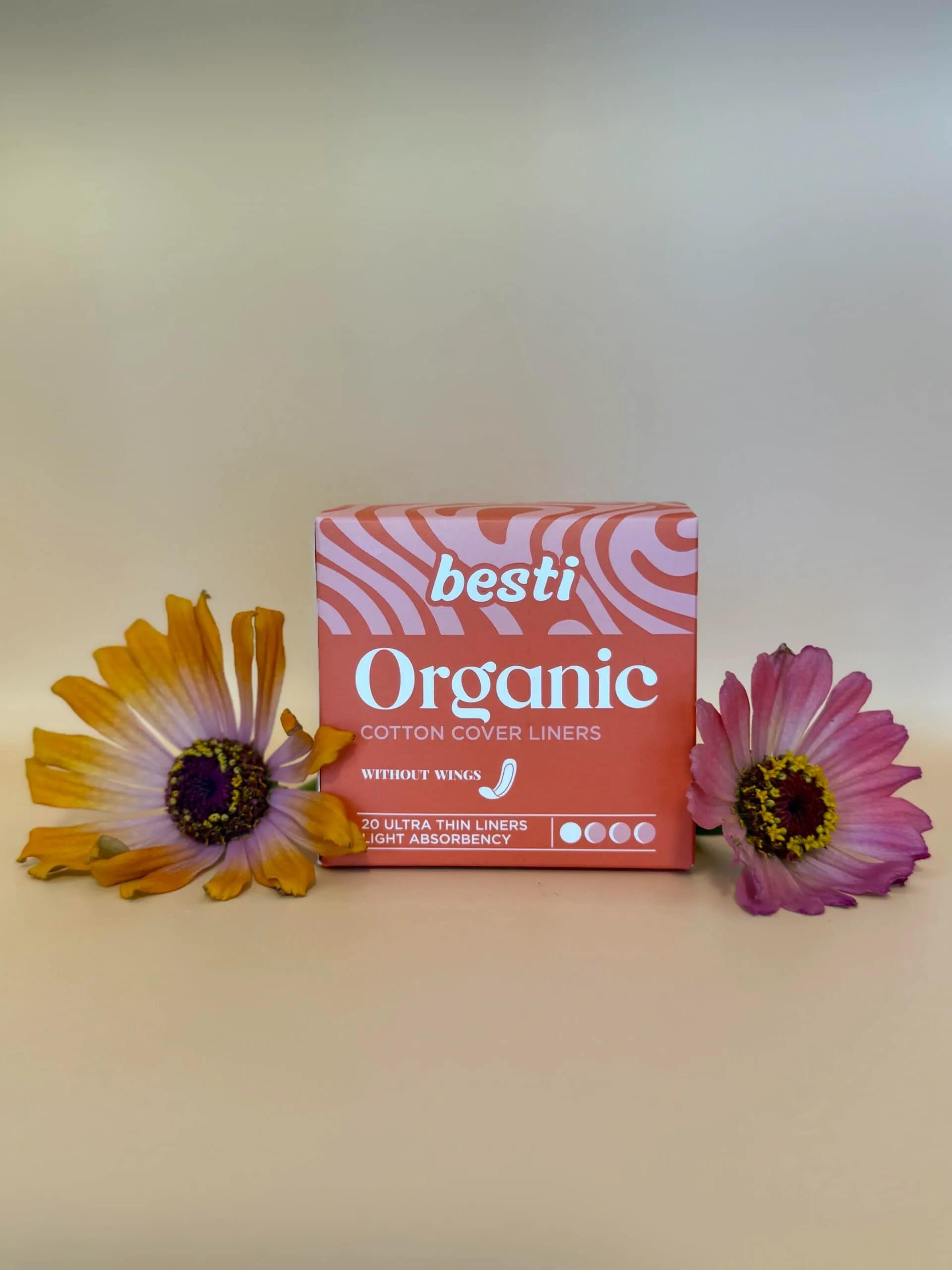
Most people don‘t think twice about exactly what is on or inside our bodies for a large chunk of hours every month. It‘s something you buy, use and then forget about. Until you begin to read the labels and then you can begin to ask yourself lots of questions. organic toxic free feminine products begin to pop up in the discussion. They are not just another passing trend. They are about selecting natural substances that are kinder, Cleaner and easier to believe.
Lots of traditional menstrual products are made with synthetic fibers, artificial fragrances, dyes and chemical processing that the average shopper would never be aware of since most packages don‘t tell you much on them. We just figured that was the way period care was. Not anymore.
Women now study labels, scrutinize brands, question the origin of the cotton, question the manufacturing process, question the inclusion of potentially harmful chemicals. Those questions are valid.
The good news is that most don‘t notice any huge change when they switch to natural products. They just feel their products are softer or they are more comfortable. Sometimes they notice a decrease in irritation. More often then not, they are just glad to know what they are putting on their body.
Why Conventional Period Products Raise So Many Questions
For many years, menstrual care was a taboo subject. Manufacturers spent much effort on absorption, ease of use, and discreetness transparency was not a priority.
Nowadays, consumers demand for more information.
Conventional items could possibly consist of chlorine bleached materials, synthetically produced perfumes, items assembled from plastics, glues, and chemical based colorings. Not everything might be harmful individually, but a lot of people actually just like trying to minimize unnecessary exposure.
The skin in these intimate areas is more sensitive than many other parts of your body. That means the quality of ingredients matters more than most people understand.
Some women develop itching, dryness and irritation after using products with heavy fragrance. Others have no problems. That‘s not the point. The point is awareness.
If brands are transparent about where their cotton is sourced, how it‘s processed, and what they omit, consumers have the confidence to buy.
It is precisely that transparency which has made cleaner period products one of the fastest growing global trends in the world.
Understanding Organic Cotton and Why It Matters
Organic cotton does not have a different name than conventional cotton.
Has been developed to substitute for many of these and is grown without many of the synthetic pesticides and fertilizers used in conventional farming. Growers tend to adopt more sustainable environmental practices while maintaining soil quality and biodiversity.
Which result in the following for menstrual products.
Organic cotton doesn‘t need as much chemical treatment in the growing and manufacturing process. Many companies will also refrain from using any perfume, bleaching or excess dyes.
This does not mean that we automatically have every product perfect, but it does mean we are starting with a cleaner canvas.
Comfort is usually the first point users bring up once they get off. Natural fibers are usually perceived to be breathable and gentle on sensitive skin.
Some people who suffer from a recurring irritant frequently find that they can better tolerate any raw materials. However, each person is different.
Opting for the cleaner cotton is also going with methods that seek to be more environmentally friendly in the long run. It‘s an easy and important choice to make as individuals seek higher standards for themselves and the world around us.
That description is catchy to many consumers today.

Choosing the Right Period Products for Your Lifestyle
There isn‘t a one-size-fits-all for everyone.
There are other options for use on lighter days as well like pads, tampons, cups, period underwear, or whatever combination is best.
If the increase in reach and availability of tampons fits into your routine, there are also many consumers who are searching for an organic toxic free tampon, because they are looking for products that use less unnecessary ingredients.
It‘s not about trying to find some good thing.
It‘s finding something reliable.
They are made from certified organic cotton and are not perfumed or dyed with synthetic dye in standard application. A lot of makeers of organic tampons give clear and detailed information about their testing and manufacturing.
There is also writing on the packaging, so once you are aware of which signs to look for it makes reading much more manageable.
See if the cotton is organic-certified.
Check whether any fragrances have been added.
Seek openness regarding bleaching processes.
Be aware that there are different kinds of absorbency to consider.
Easy-to-understand information allows you to make an honest comparison of products and not be led by highfalutin advertising.
Fitting and working. A product should fit your body perfectly that‘s what counts.
The Health Conversation Without the Fear
They even have the power to make anyone seem frightening on the internet.
Suppose you get used to seeing panic-stricken headlines which say every familiar substance is killing us, then you read an opposite sounding article I can tell you: nothing really matters at all.
Reality, of course, typically falls somewhere in the middle of those extremes.
Research is ongoing into the materials used to make menstrual products, health organizations are, however, reporting on the most appropriate method of use and hygiene practices of all products, whatever the brand.
Preferring products with less unneeded chemicals may not lead to good health in the cases of everyone.
It simply cuts down on exposure to all the ingredients many avoid at all costs anyway.
That‘s a perfectly reasonable personal choice.
Changing tampons frequently, washing hands before insertion and choosing the correct absorbency as well as ensuring advice regarding use and safety is follow.
There is no substitute for good nutrition.
Being aware of Toxic Shock Syndrome, symptoms, and the correct way to use menstrual products should be something discussed at all times.
More natural ingredients bring more peace of mind, but safe use always comes first.
Environmental Benefits That Go Beyond Your Bathroom
Period is waste.
It cannot be avoided.
However, the kind of rubbish that produces can vary according to the products selected.
Numerous most recent brands make use of biodegradable cotton, recyclable package, plant based applicator or decreased plastic.
A small improvement can actually add up to quite a bit when that item is being used a million times a day.
Used could potentially result in decreasing pesticide usage and promoting a healthier environment.
Once more, a single purchase isn‘t going to do it.
No one should fool them.
However, if 10,000 families make the same decision, over time it can have a significant impact.
Consumers are more inclined to favor companies that are willing to buy responsibly and produce in an environmentally responsible way.
That stimuli becomes a pressure on the whole industry toward increased accountability.
It‘s not about perfect.
It‘s about making the best possible small decision, each opportunity we get.

How to Read Labels Like an Informed Shopper
Marketing terminology gets quite confusing pretty fast.
Terms like natural, pure, clean, green, eco-friendly can be meaningless if they are not supported with a real certification.
Examining this beyond a surface level can be complicated.
Check ingredients.
Seek the organic certification, when available.
See if floral or color are listed.
Gather information on the sourcing of cotton.
A good indicator of a company you can trust is one that uses easy-to-interpret, straightforward language. The more of: if you think you know what this person is talking about, it is realy not.
Packaging should inform rather than mystify.
Reflectively, Price also should be viewed.
It is sometimes more expensive. Organic products require additional norms as well, if they are according to certified farming and responsible manufacturing.
That doesn‘t mean that every and expensive brand is any better.
Compare quality, transparency, comfort and customers’ feed for the best choice.
Buy smarter over buy expensive all the time.
Finding What Works for You Is the Real Goal
Can‘t get an award for using any specific type of tampon, cup or panty liner, organic toxic free tampons
Everyone has different needs.
For those with sensitive skin, softness may come first.
Alternatively, an athlete could work on their flexibility.
The traveler may prefer convenience.
Parents that are shopping their teen with simple ingredients, trusted manufacturing..
Ultimately a good product is the one that is comfortable and reliable, instydashs that you can feel in your day to day life and confident about instydashs each month.
If you haven‘t been introduced to cleaner menstrual care, take it slow.
Use oneselect product.
Experience it.
Check labels.
Interview him.
You don‘t have to undo it all immediately.
The larger picture‘s not just chasing trends.
It‘s about learning to ask questions and gather real information, not basing everything on hunches.
This method tends to result in better choices in all aspects of personal hygiene not only tampons and pads
Conclusion
Opting for more natural menstrual care isn‘t a trend. It isn‘t fear. It‘s confidence. It‘s education. Knowing what you‘re putting into your body always empowers you. Cleaner ingredients, manufacturing transparency, organic cotton and more conscientious sourcing can allow you to make more informed choices based on the needs of your body. Whether you switch entirely or just want to check out the “new guys,” looking a little deeper into your period care is never a waste of time. A little awareness now can bring more comfort, confidence, and choices for your body.