

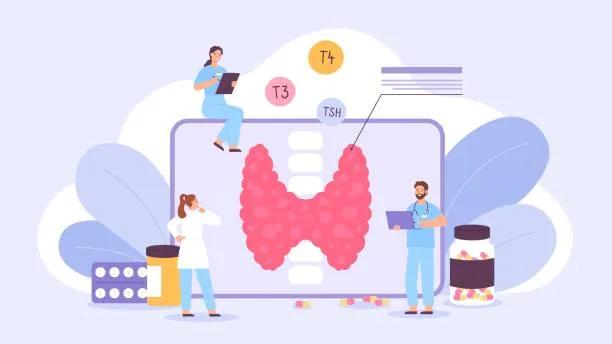
You wake up tired. You go to bed tired. Your sleep is junk, your mood is all over the place, and the scale won't budge no matter what you try. Then the bloodwork comes back "fine" and someone tells you it's stress, or age, or both.
Maybe it is. Maybe it isn't. Hormones shape how you feel every single day, and plenty of people never get them checked properly. That's a big reason folks around Texas end up searching for Dr. Uribe and bioidentical hormone therapy in the first place.
Dr. Marco Uribe is an OBGYN and hormone specialist at AB Hormone Therapy, and his practice says he's been prescribing bioidentical hormones for over 35 years. Below are ten things I'd want you to know before booking anything. Some are basic. A couple get skipped a lot.
Ten Things to Know About Bioidentical Hormone Therapy
1. Bioidentical means same structure, not magic. Bioidentical hormones match the molecular structure of the hormones your body already makes. That's the whole pitch. In theory your body recognizes them better than synthetic versions. Decent idea, but the word "bioidentical" on a label doesn't make something automatically safe or right for you. We'll come back to that.
2. The symptoms are all over the map. Hot flashes and night sweats get the attention, but the list is longer: bad sleep, migraines, anxiety, mood swings, stubborn weight, low energy, low sex drive. A lot of people go years without connecting these to hormones. If three or four sound like you, that's worth a real conversation with a doctor.
3. It's not just a women's thing. Men deal with hormone changes too, usually called andropause. Tiredness, low drive, brain fog, slower recovery. Guys tend to brush it off, which is dumb, honestly. Bioidentical hormone replacement therapy gets offered to both men and women, and the plans look pretty different.
4. Experience matters more than the marketing. Anybody can put "hormone clinic" on a sign. What you want to know is who's actually making the decisions. Dr. Uribe's background is OBGYN plus decades of prescribing bioidentical hormones, and that kind of track record is worth asking about with any provider you consider. Ask how long, how many patients, and how they handle problems when they come up.
5. Labs matter, but so does how you feel. Numbers on a page are a starting point. Two people can have the same test result and feel completely different. A good hormone doctor looks at your labs, your history, and your symptoms together. If someone only looks at the lab and ignores you sitting right there, that's a red flag.
6. Your plan should be personal. There's no one-size-fits-all dose. Age, symptoms, lab results, and even how you absorb things change what makes sense. This is also where compounding pharmacies come in, since custom formulations can be made for a specific patient. Ask any provider how they decide on your dose and how often they'll adjust it.
7. Delivery method is a real decision. Creams, capsules, injections, and pellets are all options in the hormone world. Pellet therapy is one AB Hormone Therapy offers, and some people like it because there's less to remember day to day. Others prefer something they can tweak more easily. Neither one is automatically better. Talk through the tradeoffs before you pick.
8. Hormones alone won't fix everything. This one gets ignored a lot. Food, sleep, exercise, stress, and gut health all push on your hormones. AB Hormone Therapy leans into that with supplement consulting and food sensitivity testing along with the hormone side. Honestly, if a clinic promises hormones will fix your whole life and you don't need to change anything else, be a little skeptical.
9. Follow-up is where it works or falls apart. Getting started is the easy part. Dosing usually needs tweaking, and how you feel in month one might be different in month four. You want a practice that stays in touch, answers questions, and adjusts things. Check how they handle follow-up before you sign up for anything.
10. It's still medical treatment, with real risks. Bioidentical hormone therapy isn't risk-free just because it sounds natural. There are benefits and there are risks, and they depend on your health history, your age, and what you're taking. Ask direct questions. What are the side effects? Who shouldn't do this? What gets monitored, and how often? A good provider won't get defensive about any of it.
So, Is Bioidentical Hormone Replacement Right for You?
Maybe. That's the honest answer, and anyone who says yes before knowing a thing about you is selling something.
What I can say is that a proper evaluation beats guessing. Guessing is what most people do, sometimes for years, buying supplements off the internet and hoping the tiredness goes away. A real consult gets you actual information, whether that ends up being hormone therapy or something else entirely.
AB Hormone Therapy has clinics in Bryan/College Station and Austin, plus telemedicine for Houston and nearby areas, so you don't have to drive across Texas to talk to someone. They've been doing this since 2011. That doesn't guarantee it's the right fit for you, but it tells you they're not new at it.
Talk to the Team Behind Dr. Uribe's Practice
If you've been putting this off, stop. Not because you need hormones for sure, but because feeling off for months on end isn't something you have to just live with.
Head over to abhormonetherapy, take a look around, and set up a consultation. They list a complimentary 30-minute phone consult on the site, which is a low-pressure way to ask questions and see if bioidentical hormone therapy makes sense for you. Write your questions down beforehand. Trust me, you'll forget half of them once you're on the phone.
Frequently Asked Questions
1. Who is Dr. Uribe? Dr. Marco Uribe is an OBGYN and hormone specialist with AB Hormone Therapy. According to the practice, he has prescribed bioidentical hormones for more than 35 years and sees patients through the clinic's Texas locations.
2. What is bioidentical hormone therapy, in plain words? It's treatment using hormones that have the same molecular structure as the ones your body makes naturally. It's used to help with symptoms tied to hormone imbalance, like hot flashes, poor sleep, mood swings, and fatigue. Whether it's a good fit depends on your labs and health history.
3. Is bioidentical hormone therapy only for women? No. Men can be treated too, especially when symptoms like low energy, low drive, or trouble with weight point toward hormone changes. The approach and dosing are different for men and women, so the plan should always be built around the individual.
4. Do I need to visit a clinic in person? Not always. AB Hormone Therapy has in-person clinics in Bryan/College Station and Austin, and it serves Houston and surrounding areas through telemedicine. You can also start with a phone consultation to see what makes sense.