

Dynamic Pest Control: Leveraging Monitoring, Data, and Prevention for Better Outcomes
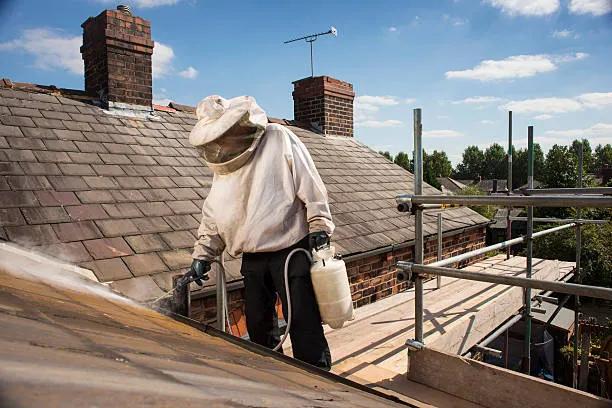
A warehouse manager once described pest control as "the thing nobody thinks about until it's already a crisis." That line sticks, mostly because it's true across nearly every industry — hospitality, food production, logistics, healthcare. Pest issues rarely announce themselves politely. They show up as a complaint, a failed audit, or worse, a closed kitchen on a Friday night.
That reactive pattern is exactly what's being replaced. Dynamic pest control — an approach built on continuous monitoring, real-time data, and pre-emptive intervention rather than scheduled treatments and after-the-fact callouts — has shifted from niche innovation to genuine industry expectation. And the shift makes sense once the economics of reactive pest management are laid bare.

The Problem with "Scheduled" Pest Control
For decades, commercial pest control ran on a calendar. Monthly visit, technician walks the site, lays a few traps, signs a form, leaves. Functional in a basic sense, but strangely passive — treating pest activity as something on a fixed timetable rather than something that responds to weather, waste cycles, construction nearby, or seasonal migration.
Ever noticed how rodent complaints spike right after a cold front moves through? Or how fly pressure shifts the week bins get collected late? Static schedules don't account for any of that. They're built around convenience for the service provider, not pest behaviour.
What "Dynamic" Actually Means in Practice
The term gets thrown around loosely, so it's worth being precise. A genuinely dynamic system involves three connected layers.
Continuous sensor-based monitoring. Rather than a technician checking a trap once a month, connected devices — motion sensors in bait stations, smart traps with capture alerts, environmental sensors tracking humidity and temperature — report activity as it happens. A spike at 2am gets flagged at 2am, not discovered three weeks later during a routine walk.
Data aggregation and pattern recognition. Individual sensor pings mean little in isolation. The value comes from aggregating data across a site, or across a portfolio of sites, to identify patterns. A facility with twelve locations might notice that rodent activity consistently clusters near loading docks during autumn — information that's nearly impossible to surface through manual logbooks but obvious once data gets pooled and visualised.
Predictive and preventive action. This is the part that actually changes outcomes. Once patterns are established, intervention shifts from reactive ("there's a rat, deal with it") to anticipatory ("activity historically increases here in October, so reinforce exclusion measures in September"). It's a subtle shift, but it's the difference between chasing problems and staying ahead of them.
Why Data Changes the Conversation with Stakeholders
Here's something procurement teams rarely admit out loud: pest control has historically been one of the hardest line items to justify with hard evidence. A monthly invoice with a signed checklist doesn't tell anyone much about whether the service is actually working or just going through motions.
Dynamic systems flip that. Trend reports, capture rates over time, heat maps of activity by zone — suddenly pest management produces auditable evidence rather than a paper trail of visits. For sectors under regulatory scrutiny, food manufacturing, pharmaceuticals, hospitality chains facing brand-standard audits, that evidentiary trail isn't a nice-to-have. It's often the difference between passing an audit smoothly and explaining gaps to an inspector.
The Prevention Side Often Gets Underweighted
Monitoring and data get most of the attention because they're the flashy, tech-forward part of the story. Prevention is less glamorous but arguably does more heavy lifting.
Structural exclusion — sealing gaps, fitting door brushes, correcting drainage that creates standing water — addresses the conditions that invite pests in the first place. Waste management protocols, loading bay hygiene, and vegetation control around perimeters all sit in this category too. None of it is exciting. All of it works.
The strongest dynamic pest control programmes treat data not as the end goal but as a feedback loop that sharpens prevention. Activity data reveals where structural vulnerabilities exist; prevention measures close those vulnerabilities; subsequent data confirms whether the fix actually worked. Without that loop, monitoring just becomes an expensive way of watching a problem happen in real time.
Where This Gets Complicated: Bird Activity
Bird-related pest issues sit a bit outside the typical rodent-and-insect conversation, and they deserve a separate mention. Pigeons, gulls, and starlings cause structural damage, health hazards through droppings, and reputational headaches for any commercial site with public-facing frontage. Searches for pest control birds near me spike noticeably around spring nesting season, which says something about how seasonal and location-specific this category really is. Dynamic monitoring applies here too — tracking roosting pattern changes and seasonal return behaviour allows proofing measures (netting, spikes, deterrent systems) to go in before a colony establishes rather than after it's already nested under a roofline.
The Honest Limitation
None of this works without commitment on both sides. A client who installs smart sensors but never reviews the dashboards has bought expensive decoration. A provider who collects data but doesn't adjust service strategy is just running scheduled visits with better marketing language. Dynamic pest control is a partnership model, not a product purchase — it only delivers when both sides treat the data as something to act on, not file away.
Final Thought
Pest control has spent a long time being treated as a checkbox exercise. The shift toward monitoring, data, and genuine prevention reflects something larger happening across facilities management generally: a move away from "we did the visit" toward "we can prove it's working." That's not a marketing trend. It's a more honest way of measuring whether pest management actually does what it claims to do.