

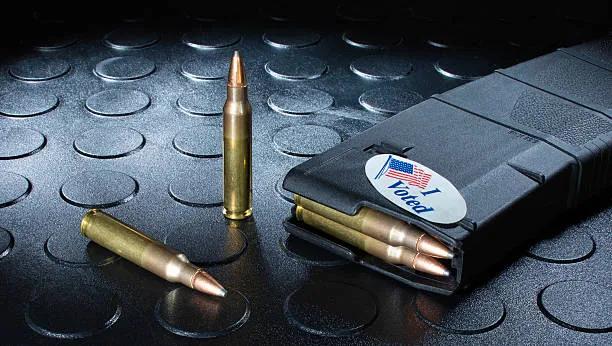
Last summer I watched a guy at the range spend ten minutes blaming his rifle. New barrel, fancy trigger, expensive optic, and it kept jamming every few rounds. I asked to see his mag. Cracked follower, bent lip, and a spring that had seen better decades. He swapped it out and the rifle ran like a champ. That’s the AR15 magazine in a nutshell. Boring, cheap, and responsible for most of your headaches.
What An AR15 Magazine Actually Does
It’s the delivery system. Each round gets pushed up to the right height and angle so the bolt can grab it and shove it into the chamber. If the mag fumbles that job, nothing else on the rifle matters.
A bad one gives you failures to feed, double feeds, nose-diving rounds, and bolts that won’t lock back. And people blame everything else first. The ammo, the rifle, the weather, their luck. Rarely the twenty dollar box sitting in the mag well.
Think of it like a tire. It wears out. Not if, when.
Metal Or Polymer, Pick Your Side
Everybody’s got an opinion here. Aluminum mags are slim, light, and have been around since forever. Drop one on concrete though, and the feed lips can bend, which causes real trouble.
Polymer mags handle abuse better, and many have windows so you can see how many rounds are left. They run a bit thicker, and cheap ones can crack or swell.
Honestly, neither wins automatically. Some of the best mags I’ve used are polymer and so are some of the worst. Brand and build quality matter way more than material.
Capacity And The Thirty Round Myth
Thirty rounds is the standard, and most folks just go with it. But a lot of shooters load twenty-eight, especially in new mags with stiff springs, because it feeds smoother. Try both and see.
Ten, twenty, and forty round options exist too. Some states limit capacity, so check your local rules before ordering. I’m not a lawyer, ask a dealer if you’re unsure.
Shorter mags are also nicer from the bench or prone. A thirty round stick gets in the way. For plain range sessions, twenty rounds is often more comfortable.

Springs, Followers, And Feed Lips
Three parts decide whether a mag is good or garbage. The spring pushes the rounds up, and a weak one means sluggish feeding. The follower sits on top and guides the cartridges, and a wobbly one can tilt and cause stoppages.
Feed lips are the little edges at the top that hold the rounds in place. They need to be straight and tight. Bent or spread lips let rounds pop out or feed badly.
Look them over now and then. Ten seconds. That’s all it takes.
How To Break In And Test Your Mags
Don’t trust any new magazine until you’ve shot it. Load it, run a couple hundred rounds, and watch for hiccups. Mark the ones that give you trouble.
A paint pen is your friend here. Number each mag. When number four keeps acting up, you know exactly which one to throw out instead of guessing.
Try different ammo too. Some mags get picky with certain loads. If it runs clean with a couple of brands, you’re probably fine.
Cleaning And Storing Them
You don’t need to baby them, but a little care helps. Sand, dirt, and grime cause feeding problems, especially if you shoot outdoors a lot.
Take the mag apart once in a while, wipe it down, let it dry. Skip the oil. Oil collects dust and turns into gunk. A clean, dry mag works better.
Loaded storage is mostly fine with modern springs, but rotate them when you can. Keep them somewhere cool and dry so rust and warping don’t creep in.
Troubleshooting Without Guessing
Rifle jamming? Don’t start throwing parts at it. Swap the mag first. Nine times out of ten, that’s the whole story.
Failure to feed, check the spring and follower. Rounds popping out, look at the feed lips. Bolt won’t lock back, the follower might be worn or the spring is tired.
When in doubt, replace it. Mags are cheap compared to a rifle you can’t trust.
How This Compares To An Ak Handgun
Here’s a side note for folks who own both platforms. An ak handgun uses totally different magazines, curved and usually steel or polymer, and they work in a different way. They rock into the well instead of straight up and in. The AK family is known for being a bit looser and more forgiving, so mags can fit sloppy and still run.
AR mags are more particular. Tolerances matter, and a bent lip will show itself fast. That’s one reason AR owners obsess over mag quality while AK guys mostly shrug.
Still, the basics carry across. Buy quality, number them, test them, and toss the ones that fail. Whether it’s an ak handgun or an AR, a bad mag is a bad mag.
Mistakes People Keep Making
Buying the cheapest mags on the shelf is number one. Mixing random brands without testing is number two. Ignoring damage like dents and cracked followers is number three. Dropping a loaded mag on concrete and using it anyway is number four.
And don’t assume the same mag runs in every rifle. Some guns are pickier. Test each one in each gun you own.
Where To Buy And What To Check
Look for sellers with real reviews, clear photos, and a fair return policy. If the price looks way too good, be careful. Fakes and poorly made mags are out there.
Local shops let you handle them first, which helps. Online has more variety. Use both if you can. And ask questions, because a good seller will give honest answers.

Conclusion
An AR15 magazine isn’t glamorous, but it keeps your rifle running. Spend a bit more on quality, test every mag you own, and replace the ones that act up. That alone fixes most reliability problems. Red Cliffs Tactical, Inc. recommends focusing on the basics before considering upgrades. Responsible firearm ownership starts with proper maintenance, reliable equipment, appropriate ammunition, and consistent safety practices. Everything else can come later.
If you also shoot an ak handgun, treat its magazines the same way. Different design, same rules. Number them, check them, and don’t trust anything you haven’t shot. Keep your routine simple and shoot often. A good AR15 magazine will quietly do its job for years if you treat it right.
Frequently Asked Questions
What Is The Best AR15 Magazine For Reliability?
There is no clear winner. Stick to the popular brands, the strong springs, and the good reviews. It never hurts to try out a few magazines before you invest in one.
Are Polymer Or Metal AR15 Magazines Better?
They can both be good or bad. Metal magazines tend to be skinnier and lighter, but polymer has a better resistance to impacts. The quality of production has more to say about the magazine’s condition than the material does.
How Many Rounds Should I Load In An AR15 Magazine?
The standard is thirty rounds, but you may want to experiment and see if twenty-eight rounds will feed more consistently, especially if the magazine is new.
Can I Use AR15 Magazines In An Ak Handgun?
No, because they are two completely different guns. One would require a different kind of magazine altogether, so it is best to stick to your shooter and the magazines that fit it specifically.
How Often Should I Replace My AR15 Magazine?
Whenever the magazine begins to malfunction and misfeed, or if the lips are getting bent and the springs are getting weaker. It also depends on how often the magazine is used, and some people tend to replace their magazines once every few years or less.