

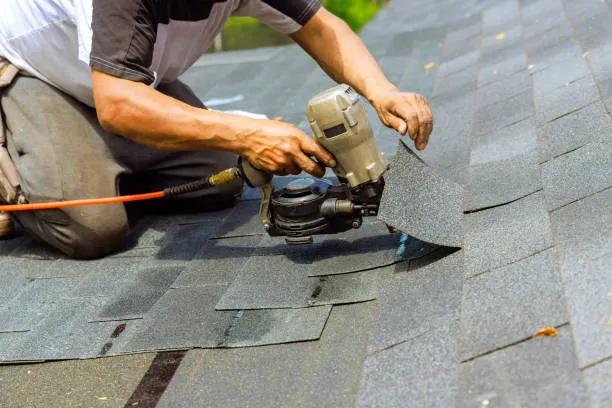
If you've spent any real time in this city, you already know the weather doesn't mess around. Triple-digit heat one week, a storm ripping through the next, and somewhere in between there's enough humidity to make everything feel like it's rotting slower than it should but rotting all the same. That constant back and forth is a huge part of why roof repair houston tx stays such a common search for people around here — shingles crack from the heat, then swell and crack again once the rain hits. Water doesn't need much of an opening either. A hairline crack is enough for moisture to creep into the decking underneath, and once that happens, mold and rot follow quietly, often for months before anyone notices. Spring hail doesn't help matters, and neither does the fact that Houston sits right in the path of tropical storms every hurricane season. People who've lived here a while will tell you a roof is basically fighting something every single month of the year. That's exactly why staying ahead of small issues, rather than waiting for a full-blown leak, tends to save homeowners a lot of money and stress in the long run.
The Small Signs That Usually Get Ignored
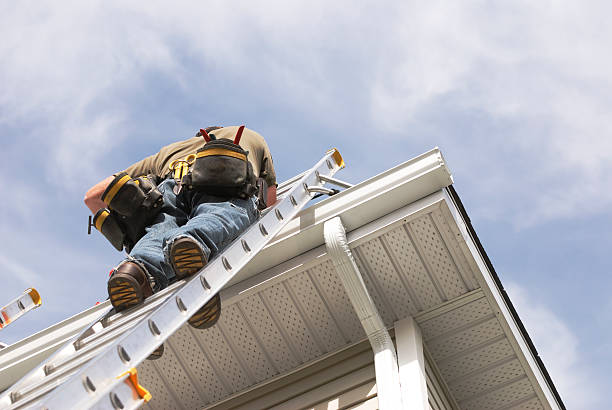
Roof damage rarely shows up loud. It's a faint water stain on the ceiling that you tell yourself is nothing, or a shingle sitting in the yard after a windy afternoon that you mean to deal with later. Granules collecting in the gutter is another one people brush past, but that's actually a sign the shingles are wearing down faster than they should. The slow leaks are the ones that really cause trouble, since they go unnoticed behind drywall for weeks, sometimes longer, doing damage the whole time nobody's looking. Curling or buckling shingles after a brutal summer stretch is worth paying attention to as well, and flashing around chimneys or vents tends to fail quietly, letting water in without any obvious clue on the surface. Anyone noticing these small red flags should start looking into options sooner rather than later, because what starts as a minor patch job can turn into a much bigger repair after just one more storm rolls through. Catching these things early really is the difference between a quick fix and a expensive one.
Walking Through What A Repair Visit Actually Looks Like
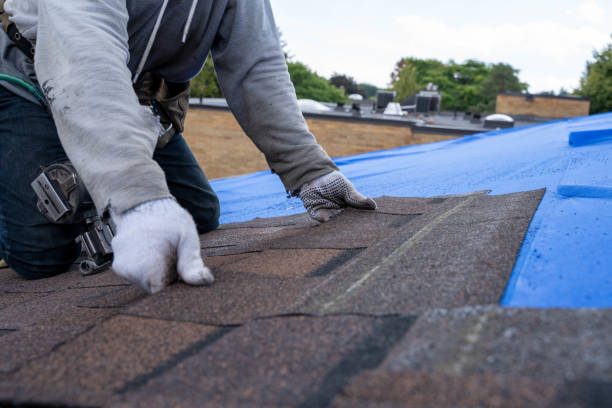
When someone comes out to assess a roof, the process usually kicks off inside the attic if there's access — checking for damp insulation, dark stains, or little cracks of daylight coming through spots that shouldn't have any. From there it moves outside, walking the roofline and checking shingles, flashing, and the seams where different roof sections meet, since that's where most leaks start in the first place. Depending on what turns up, the fix could be as small as swapping a handful of shingles, or as involved as pulling up a rotted section of decking and rebuilding it properly. A good crew will usually talk you through what they're seeing as they go, so you're not left guessing what's urgent and what can wait a bit. That kind of transparency matters a lot, especially for homeowners who don't know roofing terms off the top of their head and just want a straight answer. This same standard applies whether you're dealing with roof repair houston tx or looking at roofers in sugar land, since a rushed inspection anywhere tends to miss the stuff that matters most.

What Actually Moves The Price Up Or Down
There's no single number that fits every roof, no matter what a quick search might suggest. Size of the damaged area matters, obviously, but material plays a bigger role than people expect — asphalt shingles are usually cheaper to repair than tile or metal roofing, partly because of material cost and partly because those repairs often need more specialized labor. Roof pitch factors in too, since steep roofs take longer to work on safely and sometimes require extra equipment just to access. Even something like tree coverage or a tight lot can slow a crew down and add to the labor time. Homeowners comparing quotes for roof repair houston tx should also pay attention to whether the damage is scattered across the roof or concentrated in one spot, because scattered damage tends to cost more even when the total square footage looks similar on paper. Always get the estimate in writing, and ask exactly what it covers — some quotes are labor only, while others bundle in materials, cleanup, and a basic warranty on the finished work.
Sugar Land Homeowners Deal With A Similar Story
It's not just Houston proper feeling this — homeowners searching for roofers in sugar land run into a lot of the same issues, since the weather patterns don't really change much just because you cross a city line. Sugar Land sees the same heat, the same humidity, and plenty of the same storm damage that rolls through the greater Houston area each year. The main difference tends to be scheduling and availability, since some crews are based further out and it can take a little longer to get someone on-site depending on demand. That said, the actual repair process looks basically identical — inspection, diagnosis, and then either a targeted patch or a larger fix depending on what's found. Anyone in that area comparing roofers in sugar land against Houston-based options should really just focus on response time, reviews, and whether the estimate is detailed enough to trust, rather than assuming one location automatically means better service than the other.
Keeping A Repaired Roof From Needing Repairs Again
Once the repair is done, the job isn't really finished. Clearing out gutters, trimming branches that hang too close to the roofline, and checking for loose shingles after a rough storm are all small habits that stretch the life of a repair considerably. Ventilation gets overlooked constantly, but poor airflow traps heat and moisture in the attic, which wears down shingles faster and basically guarantees another repair sooner than it should've been needed. A yearly inspection, even when nothing seems wrong on the surface, tends to catch small problems while they're still cheap to fix. That kind of upkeep matters even more in a place like this, where the weather really doesn't let up much across the year. Homeowners who treat the roof as something to actively maintain, rather than something to think about only when water's dripping onto the carpet, generally end up spending less over time.
Conclusion
Taking care of a roof isn't glamorous, but it's one of those things that quietly protects everything else in the house. Knowing the warning signs, understanding what actually drives cost, and staying ahead of small problems all make roof repair houston tx feel a lot less overwhelming whenever the moment actually comes. Whether you're closer to downtown or searching for roofers in sugar land, the fundamentals stay the same — get a real inspection, get everything in writing, and don't wait until a small issue becomes a big one. When it's time to actually hire someone, working with a trusted name like G&R Roofing tends to be the difference between a repair that lasts for years and one you're stuck redoing sooner than you'd like.
FAQ
Does insurance typically cover the cost of repairs?
It depends on the cause. Storm and wind damage is often covered, while normal wear from age typically isn't.
How often should a roof actually get inspected?
At least once a year, and definitely again after any major storm passes through the area.
Is there a real difference between Houston and Sugar Land roofing needs?
Not really — the weather conditions are nearly identical, so the main difference usually comes down to crew availability and response time rather than the actual repair work itself.